
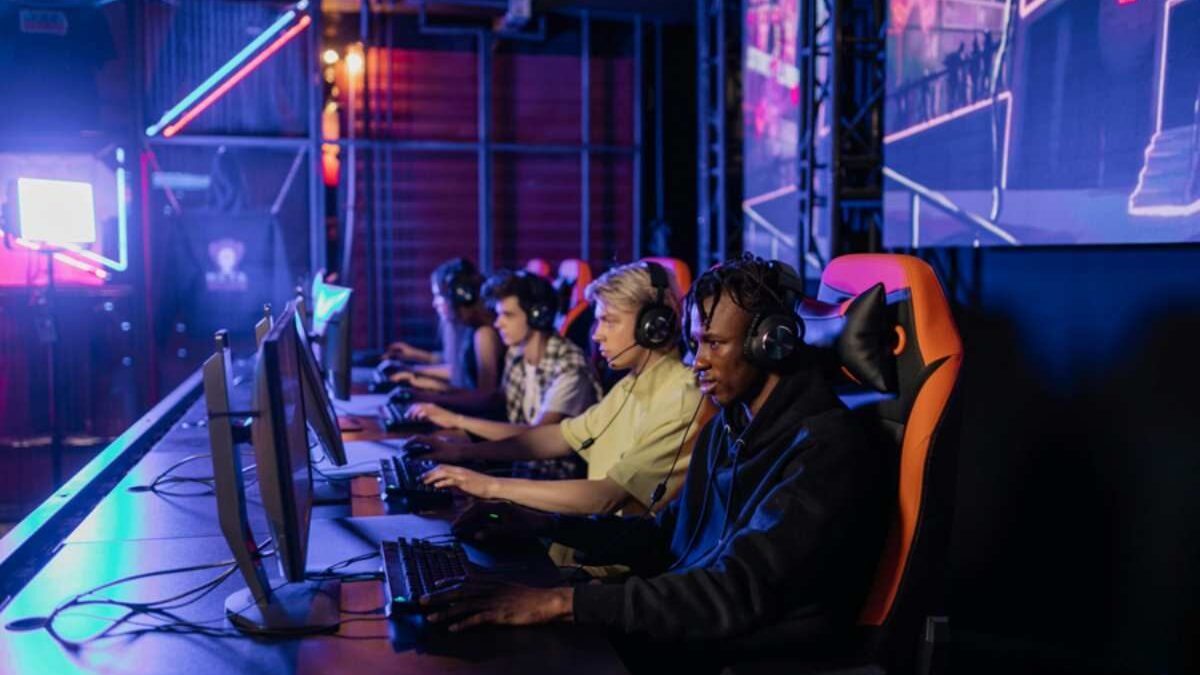
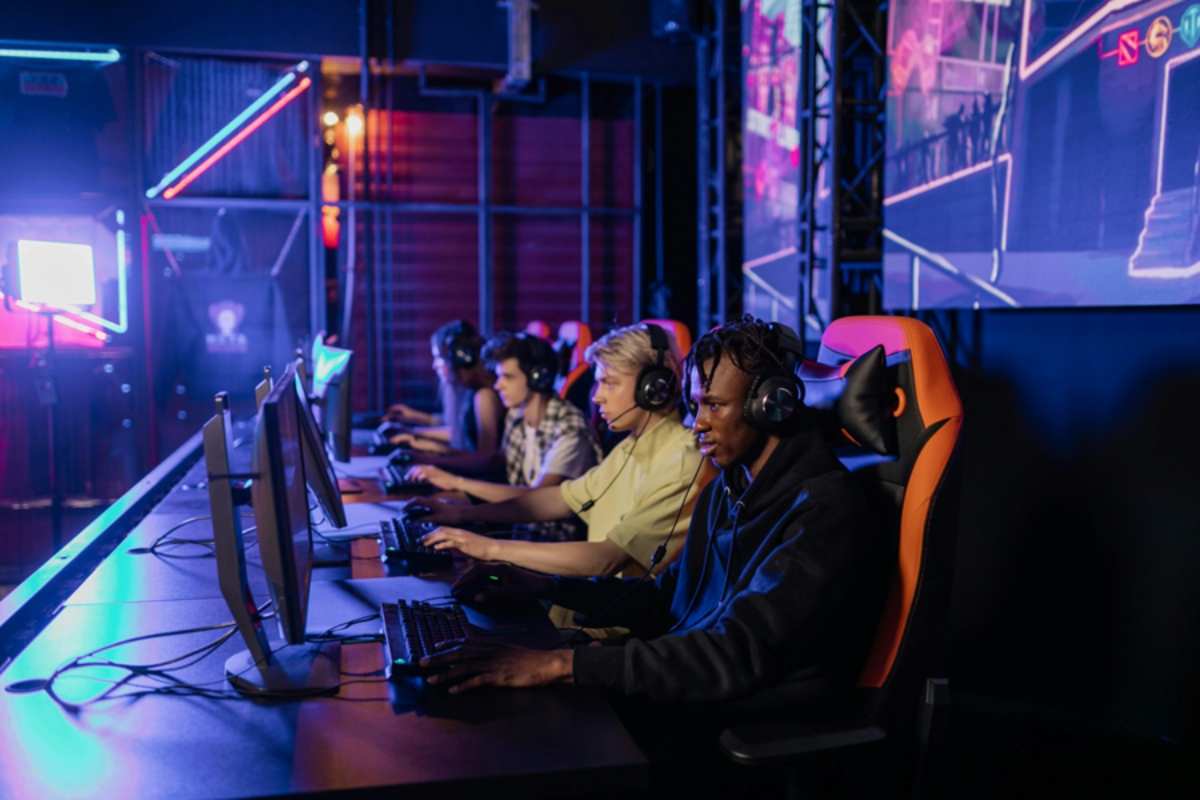
E-sports has absolutely exploded from this niche hobby into something mainstream that’s captivating millions worldwide. What started as friends competing in basements has evolved into a billion-dollar industry where professional gamers fill sold-out stadiums.
E-sports isn’t just about gaming anymore–it’s become this incredible cultural phenomenon that’s reshaping how we think about digital entertainment. I mean, who would’ve thought twenty years ago that we’d be watching people play video games with the same intensity as the Super Bowl?
Let’s dive into five trends that are steering competitive gaming’s future. These developments matter whether you’re a dedicated gamer or just curious about what all the fuss is about. These patterns show how e-sports has become way more than entertainment–it’s transforming technology, culture, and even education.
Table of Contents
1. Growing Accessibility through Mobile Platforms
Mobile platforms are completely revolutionizing e-sports accessibility, and it’s about time. Traditional competitive gaming requires expensive, high-performance equipment that most people can’t afford. But mobile games are creating welcoming entry points for everyone.
Popular titles like “PUBG Mobile” and “Mobile Legends” have democratized competitive gaming. Players without costly setups can compete at serious levels now. This shift proves especially significant as smartphone adoption accelerates worldwide, particularly throughout Southeast Asia and Latin America.
With dramatically lower barriers to entry, mobile platforms attract incredibly diverse player communities. They’re expanding e-sports’ global reach while creating vibrant ecosystems where casual and competitive gaming merge naturally.
2. Integration with Mainstream Sports
The relationship between e-sports and traditional sports grows stronger each year. Major franchises, including the NBA and NFL, have made substantial investments in e-sports teams. They recognize the opportunity to connect with younger, digitally-native audiences.
This crossover legitimizes competitive gaming while introducing exciting hybrid experiences. Virtual reality simulations that blend gaming with physical training methods are happening now. These partnerships show that e-sports can enhance traditional sports by boosting fan engagement and creating fresh interaction opportunities.
As these collaborations expand, we’ll likely see e-sports become as deeply embedded in our cultural landscape as any established sport.
3. Advances in Technology and Infrastructure
Cutting-edge technology is dramatically improving e-sports production quality and viewer engagement. Advanced broadcast technologies, including augmented reality overlays and sophisticated live-streaming platforms, deliver viewing experiences that match or exceed traditional sports broadcasting standards.
The foundation lies in robust infrastructure that ensures minimal latency and crystal-clear streams. Companies investing heavily in these technologies lead the charge in creating immersive viewing experiences. They captivate both longtime fans and newcomers.
As technology continues to advance rapidly, the possibilities for innovation in e-sports consumption seem virtually unlimited. The developments ahead promise to be exciting for everyone involved.
4. Evolving Sponsorship and Monetization Models
E-sports sponsorship and monetization strategies are experiencing a dramatic transformation. Corporate powerhouses like Coca-Cola and Intel are investing substantial resources into competitive gaming. They recognize the tremendous branding potential it offers.
Unlike conventional sports sponsorships, e-sports partnerships offer remarkable versatility. They span from in-game advertising to content creation across platforms like Twitch. This diversification proves essential as companies like Americas Cardroom explore innovative approaches to audience engagement through strategic sponsorships that genuinely resonate with gaming communities.
As the industry continues maturing, these business models become increasingly sophisticated. They’re providing sustainable revenue streams that strengthen e-sports’ long-term economic foundation.
5. Inclusion and Diversity Initiatives
E-sports is embracing inclusion and diversity with unprecedented enthusiasm. Programs designed to increase participation among women and underrepresented communities are gaining significant momentum.
Organizations such as Women in Games actively break down barriers and challenge outdated stereotypes. They’re fostering truly inclusive environments throughout the gaming community. Diversity in e-sports extends well beyond gender considerations, too–it welcomes players from vastly different socio-economic backgrounds and creates rich cultural tapestries.
By actively promoting diversity, e-sports not only broadens its appeal but also enriches cultural conversations within gaming communities. It’s establishing important precedents for other entertainment industries to follow.
Conclusion
These five transformative trends play crucial roles in shaping e-sports’ future. They’re expanding competitive gaming’s horizons while transforming it into a genuine cultural and economic powerhouse.
As industry stakeholders continue innovating and adapting to changing landscapes, e-sports will undoubtedly maintain its trajectory toward unprecedented growth. It’s creating exciting opportunities for players, fans, and investors worldwide.
The stage is perfectly set for e-sports to fundamentally redefine digital-age entertainment. The journey ahead promises to be every bit as thrilling as the games that started it all.